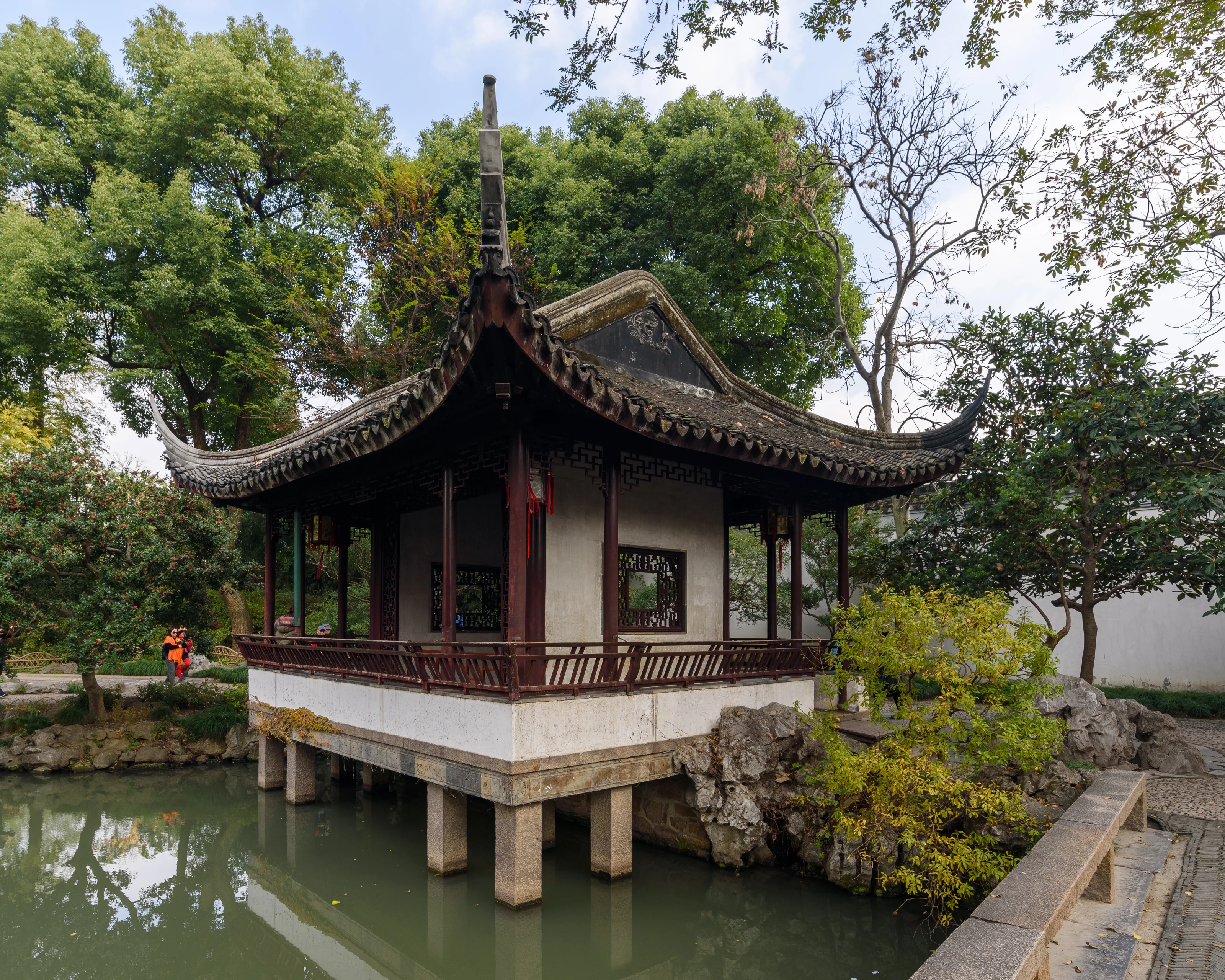
The Humble Administrator’s Garden in Suzhou is a classical garden built around water, pavilions and changing views. Book the named garden and an entry slot before arranging the rest of the day. Inside, give the central ponds time, then compare the more open eastern grounds with the denser western section. That makes a more satisfying visit than collecting photographs of pavilion signs.
Humble Administrator’s Garden tickets and reservations
Admission has a seasonal price, while the visit itself uses real-name timed reservations. The Suzhou Gardens and Landscaping Bureau lists these standard ticket prices:
| Visit month | Listed admission price |
|---|---|
| April, May, July, August, September and October | CNY 80 |
| January, February, March, June, November and December | CNY 70 |
Use the price for your travel month when comparing an admission-only ticket with a package. An advertised guided visit or evening experience may describe a different product. Check the actual inclusions before paying, especially when a booking page offers several similarly named options.
The city government’s June 2026 notice says to reserve online one to seven days ahead. Search for Humble Administrator’s Garden alongside its Chinese name, 拙政园, and check the visit date, entry window and document type. The official Suzhou Gardens Tourism channel is named 苏州园林旅游. Keep the confirmation available for the visit.
For overseas visitors, the city has documented passport ticketing and a connection to Trip.com’s overseas service. The current passport checkout remains untested for this guide; use the live form to establish the supported document and payment options. If that form doesn’t accept your details, contact the garden or the booking service before committing to the journey. Carry the document tied to the confirmed order.
For other interests to fit around the reservation, browse the gardens, canal streets and textile visits in the Suzhou destination collection.
Opening hours: allow for the last-entry cutoff
A booked entry window needs to fit the garden’s operating day. The bureau’s published seasonal schedule distinguishes closing time from the earlier end of ticket checking; all times below are local Suzhou time.
| Season | Opening hours | Ticket checking ends |
|---|---|---|
| March–October | 7:30 a.m.–5:30 p.m. | 5 p.m. |
| November–February | 7:30 a.m.–5 p.m. | 4:30 p.m. |
Check the bureau’s official opening-time table and the notice for your booked date before leaving. Temporary and holiday arrangements can change the listed day. In particular, the widely reported 6:45 a.m. opening in 2026 applied from June 19 to October 7; it shouldn’t become a year-round arrival plan.
For planning, I’d leave roughly two hours for the garden, with extra time for checking in and reaching the next stop. That’s my allowance for an unhurried visit, not a measured circuit or an official recommended duration. Arriving just before the ticket-checking cutoff gives you much less time inside.
Save the garden entrance as its own map destination on Dongbei Street, rather than navigating only to “Suzhou gardens.” When dates are flexible, weigh summer lotus against a visit for buildings and pond views with the Suzhou season guide.
Start with the central ponds, then compare east and west
Once admission is settled, the garden’s layout gives the visit a clear focus. Suzhou’s official description divides the grounds into eastern, central and western sections. The east is spacious; the center brings water together with winding corridors and pavilions; the west has a denser arrangement of halls and waterside passages.
The city government’s suggested approach is to follow the main visitor route toward the central water. Let the permitted paths and signs set the actual circuit. At a pond, pause where a roof, its reflection and the planted edge can be seen together. The open water lets you see how buildings relate to one another, rather than only how each building looks up close.
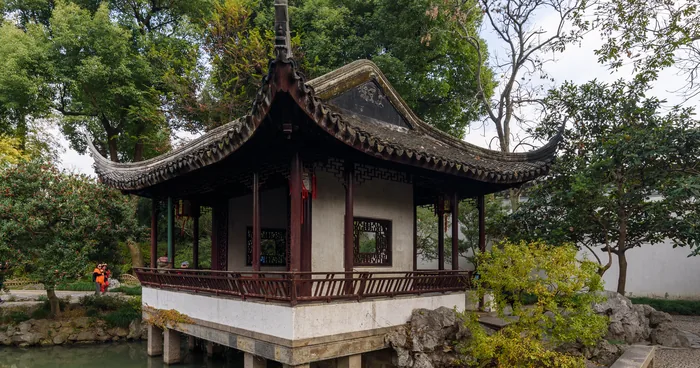
Photo credits

Then compare that broad scene with a view through a doorway, window or corridor. Notice which part of the roof or pond the opening includes, and which part disappears behind a wall or column. You don’t need to learn a specialist vocabulary to spot the change. A frame makes a smaller scene from the same surroundings.
Keep the eastern and western sections in mind as contrasts, rather than promising yourself a rigid sequence of named halls. A crowded passage can be a reason to continue along the open visitor route and return to a view if the route permits. Give people room to move while you look or take a photograph.
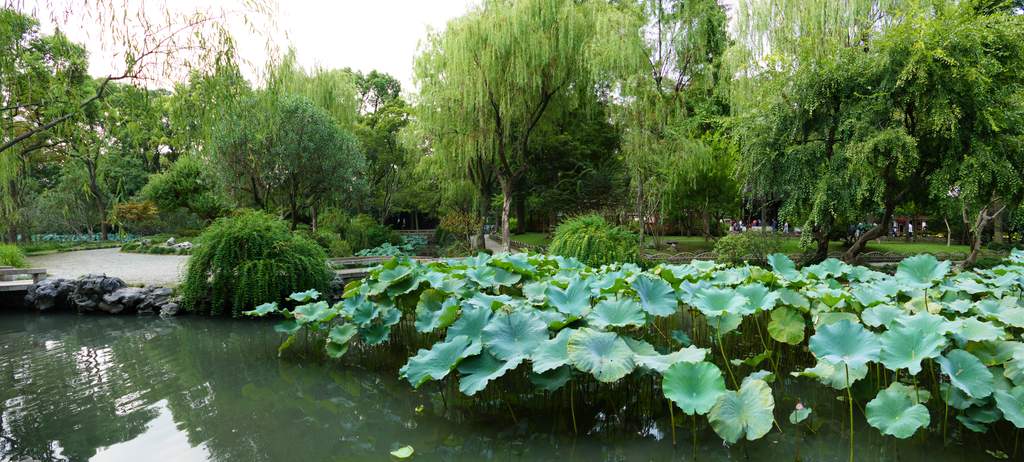
Photo credits

Why the garden has its unusual English name
The garden’s name belongs to its history, rather than describing its present-day management. The city’s account traces the name to a retired Ming official and to Pan Yue, an earlier writer whose text describes tending a home and garden away from official life. “Humble administrator” evokes that retreat from office.
UNESCO includes the garden within the Classical Gardens of Suzhou World Heritage property. That designation recognizes a garden tradition in which constructed landscapes bring nature into an urban setting. It doesn’t mean that everything visible today dates from the same original building campaign.
Suzhou’s profile says many surviving buildings came later, although the Ming and Qing layout largely remained. Read the place as a garden that has changed over time. A pond, a passage and a hall can form a coherent view without all having the same construction date.
Give the garden room in a Suzhou day
The layout rewards a slower visit, so I’d pair the garden with a meal and a flexible street walk before adding another large attraction. The one-day Suzhou itinerary makes the garden the main booked stop and explains how to fit the return journey around it.
On Pingjiang Road, canal views, bridge crossings and a tea stop can fill the flexible part of the afternoon. Let that walk shorten if the garden takes longer than expected. The ticket window deserves a firm place in the day; an extra shop doesn’t.
If your main interest is a hilltop landmark and its associated stories, compare Tiger Hill’s pagoda, Sword Pond and bonsai before choosing between the visits. Adding both changes the transport plan as well as the sightseeing time. The China Culture Way travel collection can help place Suzhou within the wider trip once the city’s main stop is chosen.
Before leaving for the garden, have the confirmed entry time, the named entrance and the onward destination available. Inside, leave yourself a stretch of time beside the pond without another appointment pressing against it.
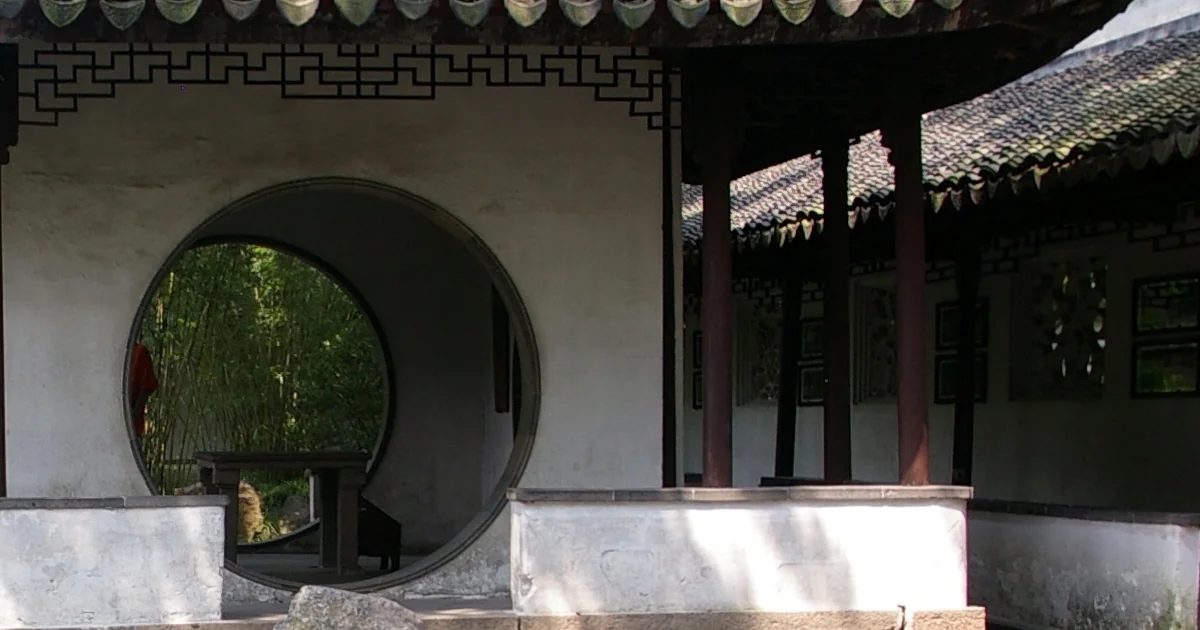
Photo credits

Photo credits
Photo: King of Hearts / Wikimedia Commons / CC BY-SA 4.0. Cropped from the 4680 × 3900 original at x=1200, y=1800, width=2600, height=1368 (1.901:1); resized to 1200 × 632 and compressed as WebP. No retouching. Derivative under CC BY-SA 4.0.

Explore the Suzhou city guide →