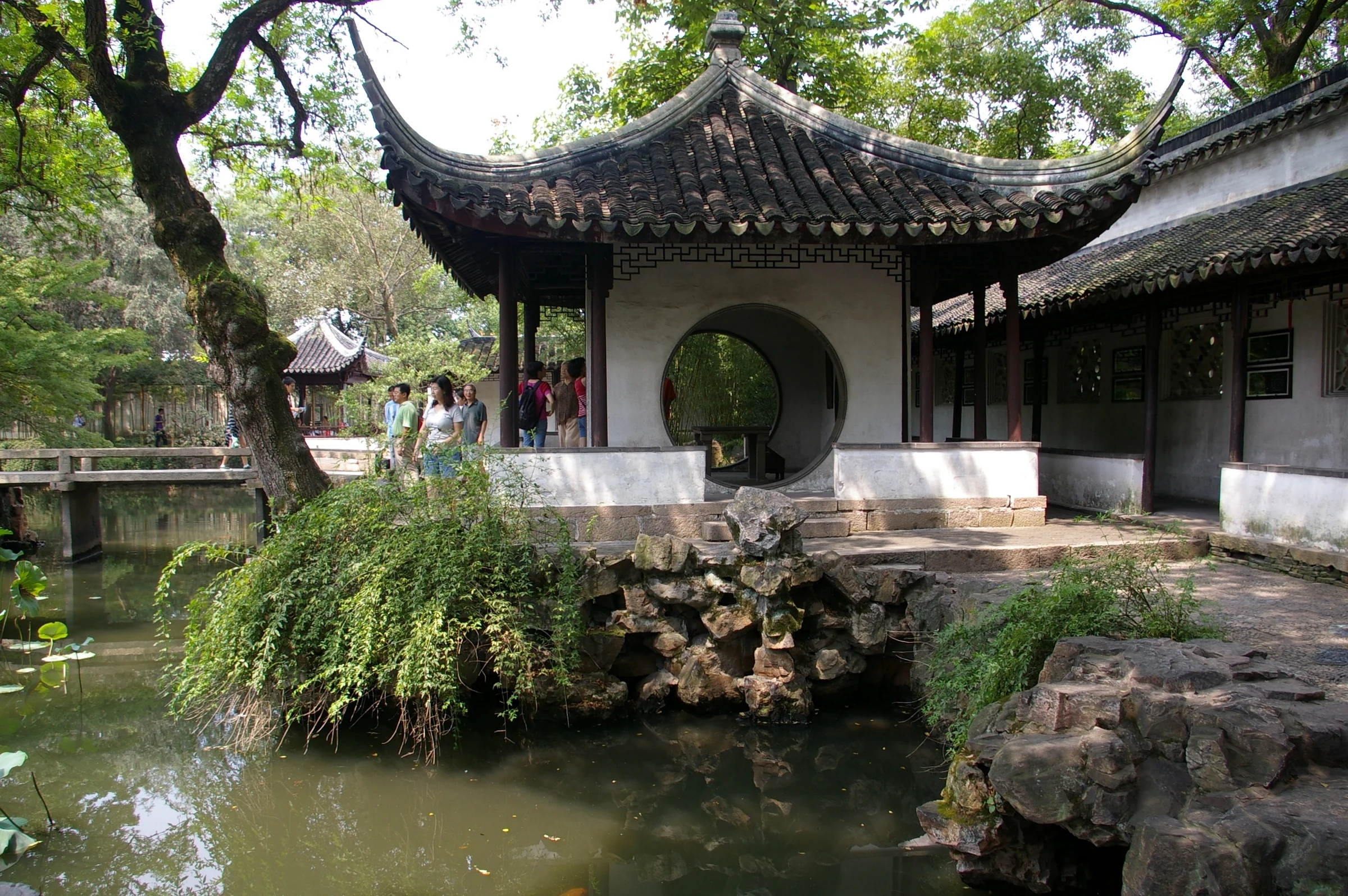
A Suzhou one-day itinerary works well with the Humble Administrator’s Garden in the morning, lunch nearby and Pingjiang Road in the afternoon. Keep the garden as the main visit and the canal walk as the flexible part. For a day trip from Shanghai, fit those stops between your actual trains rather than adding another garden to fill the day.
The pairing has a clear geographic basis: Suzhou’s official neighborhood profile places the garden at Pingjiang’s northern edge. That makes a garden-and-street day a sensible starting point, though the exact entrance and transfer still need checking.
A garden morning and Pingjiang afternoon
Here is the day I’d put on a planning sheet. The times below are suggested sightseeing allowances, not measured queue times or a promise about admission. Travel from your arrival station, transfers between stops and the return journey need their own space outside these blocks.
| Part of the day | Suggested allowance | What belongs here |
|---|---|---|
| Morning | 2–3 hours | Humble Administrator’s Garden, with time to pause beside the water |
| Lunch | About 1 hour | A meal near the route and a seated break |
| Afternoon | 1–2 hours | A section of Pingjiang Road, with shops or tea optional |
Those blocks give you about four to six hours for sightseeing and lunch before transfers. A booked entry time takes priority over the table: if only an afternoon garden visit is available, walk Pingjiang first and leave enough time to reach the correct garden gate. Don’t keep a morning order that your ticket can’t support.
I would save Tiger Hill, a second major garden and a separate water-town excursion for another day. Each changes the journey as well as the sightseeing. The Suzhou destination collection puts gardens, canal streets and silk crafts in view while you’re choosing the main interest for this visit.
If Tiger Hill is your priority, use its ticket, opening-hours and Metro guide to plan a separate outing or revise the day’s main visit.
Set the Shanghai trains before the garden booking
The first planning task is to match the city visit to the full station names on both tickets. Save the arrival station, garden entrance, Pingjiang walking start and departure station as separate map locations. A search for “Suzhou” is too broad to settle the journey between those points.
If you’re traveling from Shanghai, check the departure station there as carefully as the destination in Suzhou. Choose the train and garden entry together, with time for arrival, luggage and the journey to the gate. I haven’t measured those transfers or tested a passport booking in the current garden system, so use the operator’s current options rather than a timetable copied from an old travel post.
Keep the garden’s full name, Humble Administrator’s Garden, beside its Chinese name, 拙政园, when checking the booking. Save the confirmed date, entry window and identity-document instructions with the order. Carry the document specified by that confirmation; a saved map pin alone doesn’t resolve admission.
Luggage deserves a decision before arrival, too. Confirm a storage arrangement that fits the station or hotel you’ll actually use, including collection time. Otherwise, an apparently short day can end with an extra journey to retrieve a bag from the wrong side of the city.
Spend the garden visit around the pond
Once the arrival is settled, give the garden the least hurried part of the day. The city government’s garden profile says water occupies about a third of the grounds. Its description also contrasts a more spacious eastern section with a denser western section, so there is more to notice than a single famous view.
Choose a pond-edge building and compare the view from an open path with a view through a doorway or covered passage. Notice which part of the water or roof disappears behind the frame. A small comparison like that gives the visit a purpose without turning the map into a list of pavilion names to collect.
For a closer look, compare the garden’s open pond views with its framed views before deciding where to pause. Keep any flower display as a bonus unless you’ve checked the current conditions specifically for your date. A photograph of lotus leaves records one visit, not what will be growing when you arrive.
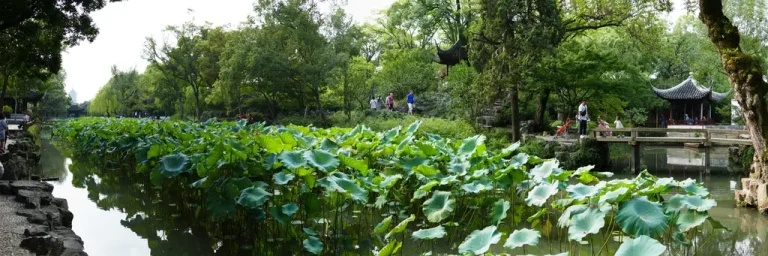
Photo credits

Use lunch to separate the garden from Pingjiang Road
After the garden, a meal gives the day a useful break before another stretch on foot. Choose somewhere along the route with a menu and prices you understand. There is little benefit in crossing the city for a particular restaurant if it takes away the afternoon you meant to spend by the canal.
Then make Pingjiang a walk with a chosen start and a flexible finish. Suzhou’s official description emphasizes the river beside the street, with bridges and waterside buildings. Follow that relationship for part of the afternoon, using public crossings to see how the opposite bank changes the view.
The Pingjiang Road walking guide covers canal views, side lanes and the questions to ask before a tea or food stop. Shops can stay optional. Before sitting down for tea or a performance, establish what the listed charge includes, especially whether it is per person or per order.
A shorter walk can still be a complete stop. Choose a return or pickup point before wandering into side lanes, then keep an eye on the journey from there to the station. The useful finish is the point that leaves you time for the train, rather than the last shop on a suggested walking list.
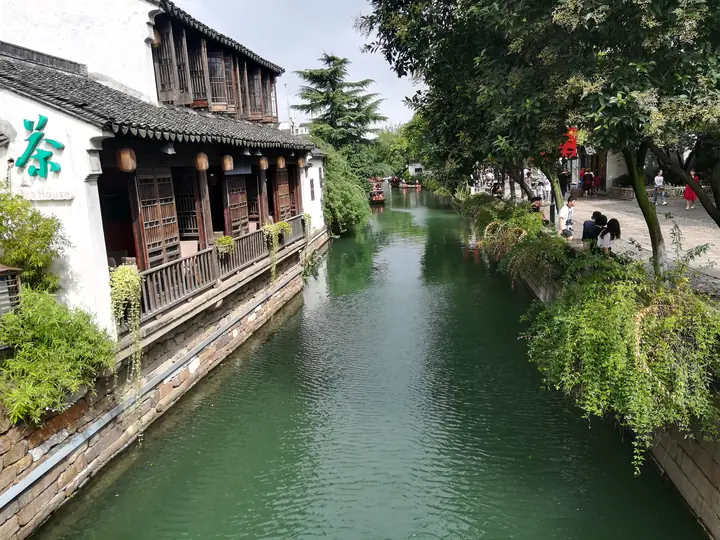
Photo credits
The left-hand sign reads Tea House.
Photo: Leiem / Wikimedia Commons / CC BY-SA 4.0. Resized and WebP compressed; adaptation under CC BY-SA 4.0.
Trade part of Pingjiang for a museum
A museum is an alternative when rain, fatigue or a strong interest in textiles changes the afternoon. Decide which museum you mean before checking its address, opening day and admission process. Suzhou Museum and Suzhou Silk Museum are different destinations, and a reservation for one doesn’t answer questions about the other.
For textile history, the Suzhou Silk Museum guide explains how to follow materials, weaving and finished cloth. The city government’s museum profile describes sericulture and weaving displays, but its historical account doesn’t establish today’s exhibitions or a live demonstration. Confirm what is open before replacing the canal walk with that visit.
If you choose a museum, remove a substantial part of Pingjiang rather than fitting the whole original plan around it. The museum has an arrival journey and its own visit time. On a day with an early return, lunch and a brief canal walk may be the better fit.
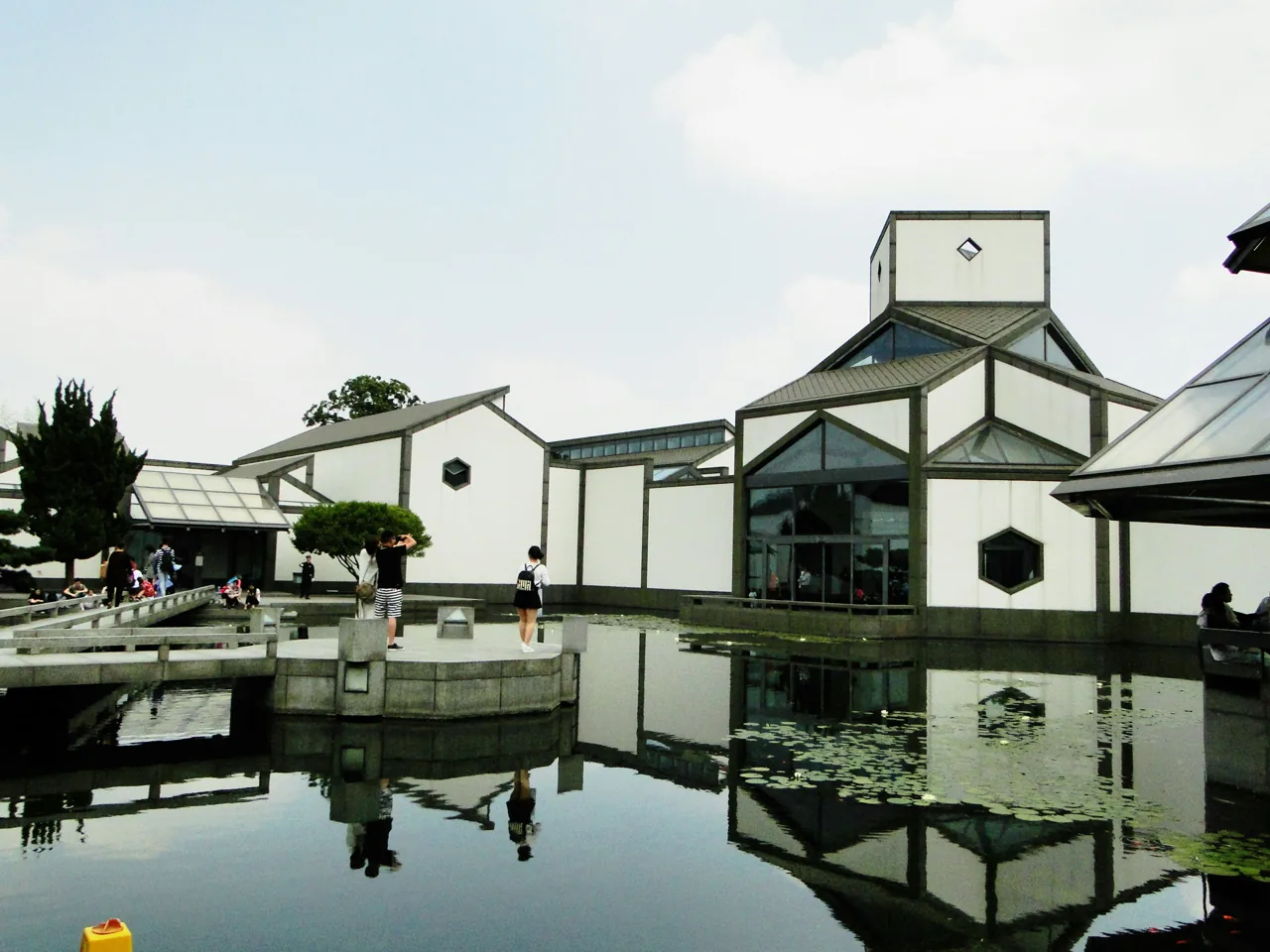
Photo credits
Shorten the Suzhou day at the right point
With a midday arrival, keep the confirmed garden visit, have a meal and make Pingjiang the short version. If the return train is early, drop the additional museum first. When garden tickets are unavailable, choose a different confirmed garden and rebuild the connections around it instead of traveling to an unconfirmed gate.
The plan is complete once the garden, meal, canal walking time and return journey fit the day you actually have. Save the last station journey before leaving the afternoon stop, including time to collect stored luggage. For a wider trip, the China Culture Way travel collection is a place to compare the next destination after this Suzhou day.
Photo credits
Photo: Jakub Hałun / Wikimedia Commons / CC BY-SA 4.0. Cropped to the circular doorway and adjoining corridor, then compressed. No retouching. Derivative under CC BY-SA 4.0.

Explore the Suzhou city guide →