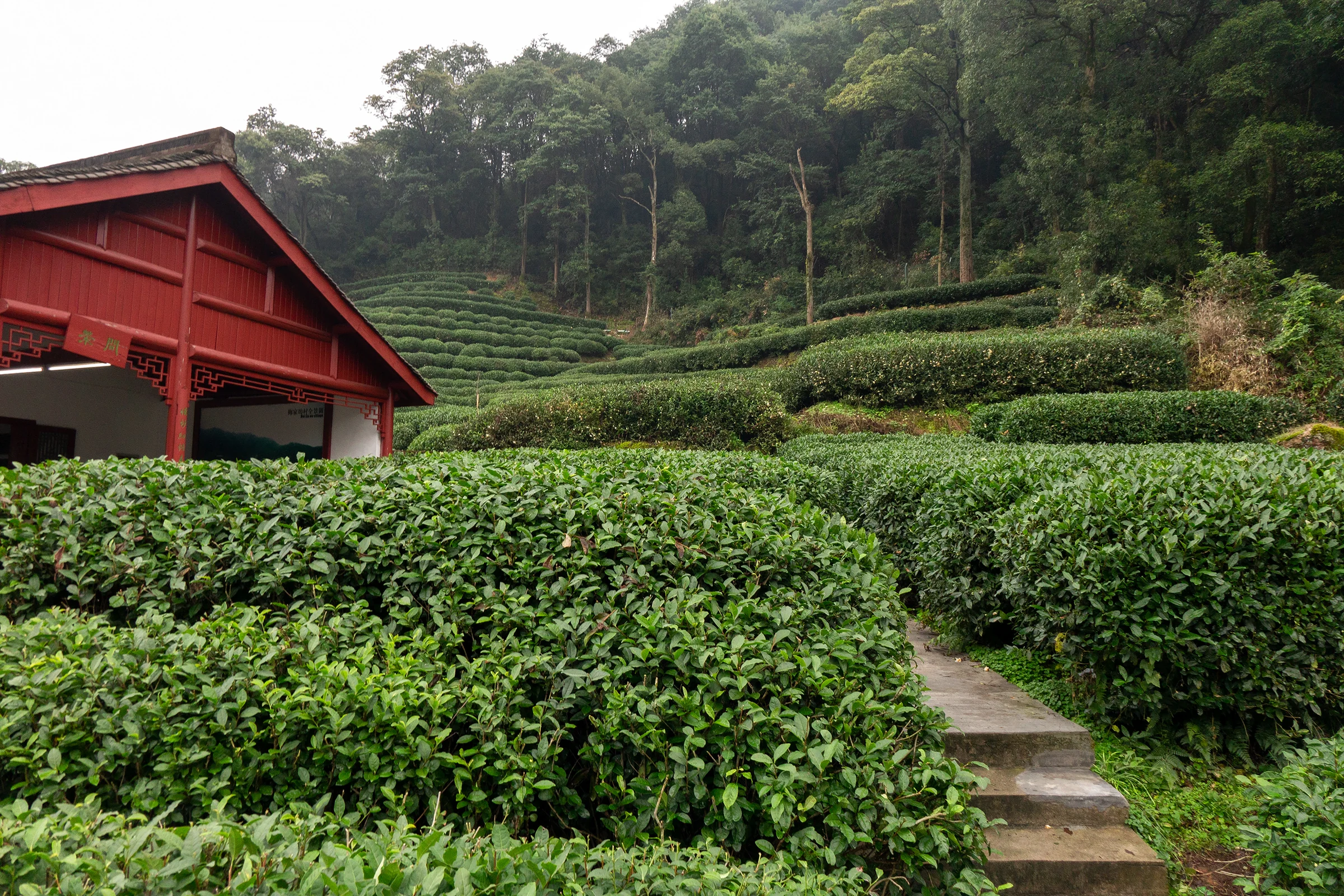
For a first visit built around West Lake walks, I’d choose October or November as the best time to visit Hangzhou. Spring is the better starting point for a tea-focused trip, while July is worth considering specifically for lotus. The choice changes with the experience: comfortable walking, a tea activity and a particular flower don’t all point to the same dates.
October and November suit a West Lake walking trip
Autumn would be my default when the main aim is to spend time outdoors by the lake. The China Meteorological Administration’s Hangzhou climate overview describes October and November as clearer and sunnier, with a large difference between daytime and nighttime temperatures. That gives a weather-based reason to favor this window without needing a flower to be at its peak.
Start with the places you want to see, then decide how much of the day belongs outside. The Hangzhou destination guide helps put the lake alongside the city’s other sights. The Hangzhou one-day plan combines a selected lake walk with a temple or tea-village stop.
Osmanthus gives autumn another attraction. These small, fragrant flowers are associated with Manlong Guiyu (满陇桂雨), a named flower-viewing area in Hangzhou’s official seasonal guide. Go for a current report of flowering, rather than treating the word “autumn” on a booking calendar as enough evidence.
For me, the useful distinction is between an autumn trip and a flower trip. The first can still work if the flowers disappoint; the second needs recent local information before committing to dates.
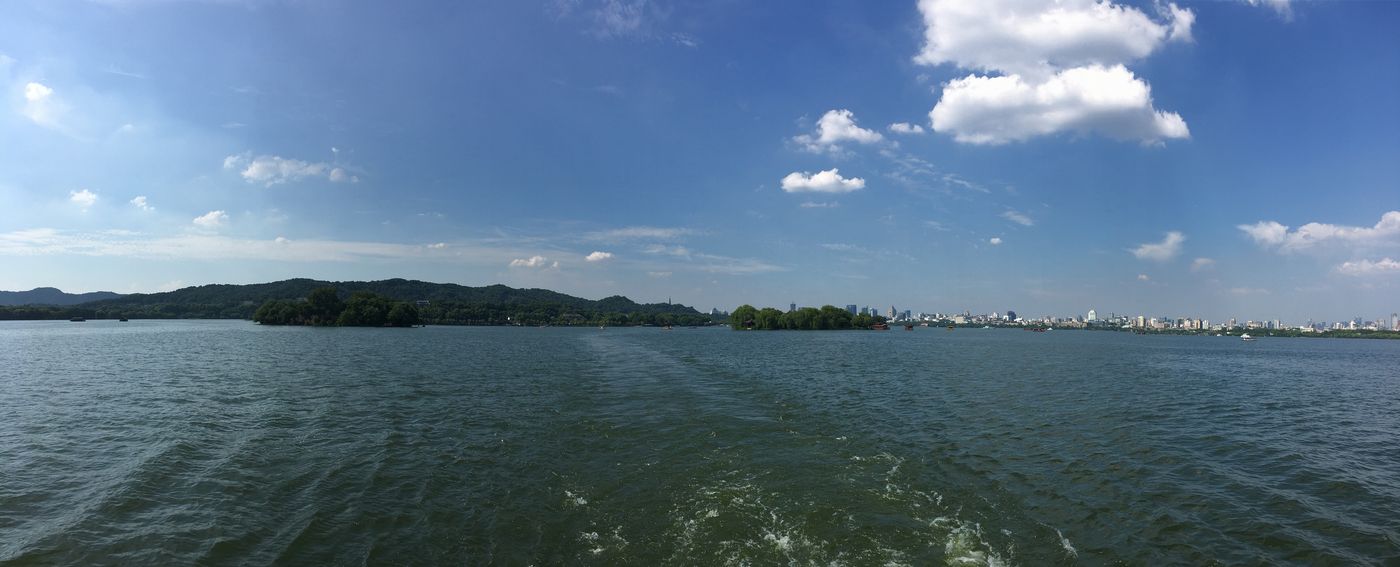
Photo credits

Spring in Hangzhou favors tea interests, with rain in the plan
A spring visit makes sense when fresh tea is the reason for going. Hangzhou’s official month-by-month feature, published in 2020, points to April for fresh tea at Meijiawu village. Use that as a seasonal lead, then ask the actual host what is available for your dates.
A tea-field walk, tasting, picking leaves and watching processing are different experiences. I wouldn’t make a nonrefundable travel decision on a photograph of someone picking tea. Ask which activity the booking includes, where it takes place and what replaces it if it cannot go ahead.
The Longjing Village guide separates a village visit from an arranged tea activity. The tea-experience guide helps compare what a host is actually offering. Meijiawu and Longjing Village are different destinations, so keep the named venue in the booking conversation.
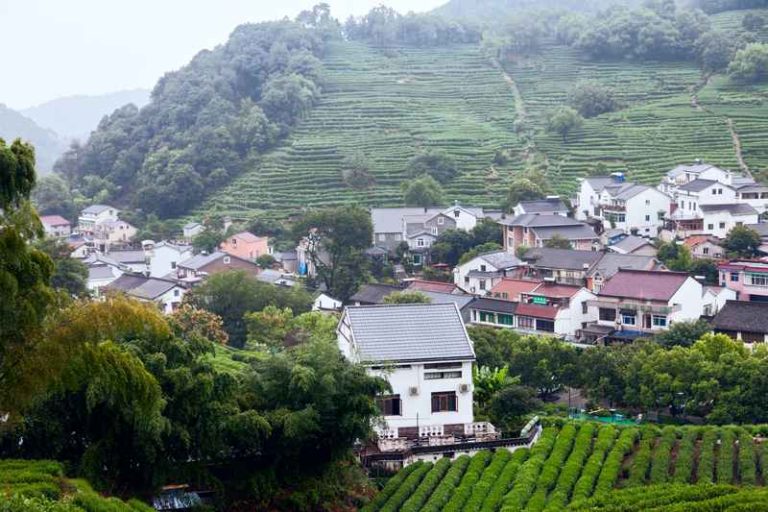
Photo credits

Spring also brings a weather trade-off. The CMA climate overview describes a rainy spring, so leave room to shorten a field walk or move a tea stop. The point of choosing spring is the tea interest; a dry day is a separate question for the forecast.
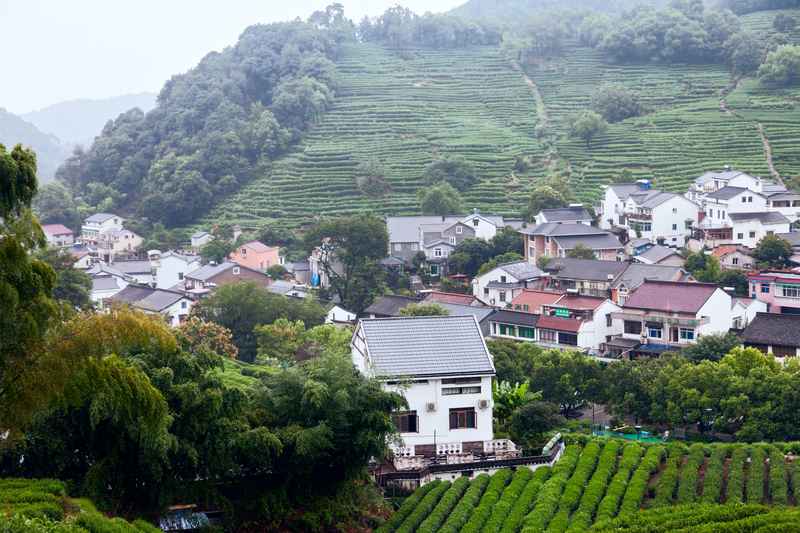
Photo credits
July lotus at West Lake comes with summer heat
Choose summer deliberately if lotus is the main attraction. The city’s 2020 seasonal feature places West Lake lotus under July, while the CMA climate overview identifies July and August as the hottest part of summer. A lotus-focused visit therefore asks for a different pace from an autumn walking trip.
Keep the outdoor part easy to shorten and choose a rest stop before setting off. You don’t need to turn seeing flowers into a full circuit of the lake. Check recent local flowering reports, then pick the lake section around what is actually being reported.
Rain deserves its own check too. The same climate overview places the precipitation peak in June. A summer booking should therefore be based on what you want to see and your tolerance for heat and wet weather, rather than a promise of an uninterrupted sunny holiday.
Winter works when the lake is one part of the visit
Winter is an option if a seasonal flower or tea activity isn’t essential. The CMA overview describes it as dry and cold. I’d give a winter itinerary more room for indoor visits and shorter outdoor stretches, then use the forecast to decide how long to stay by the water.
That doesn’t establish winter as the cheapest or quietest season for your dates. Compare actual accommodation and transport offers before making a budget claim, and check the opening arrangements of any indoor stop you plan to rely on.
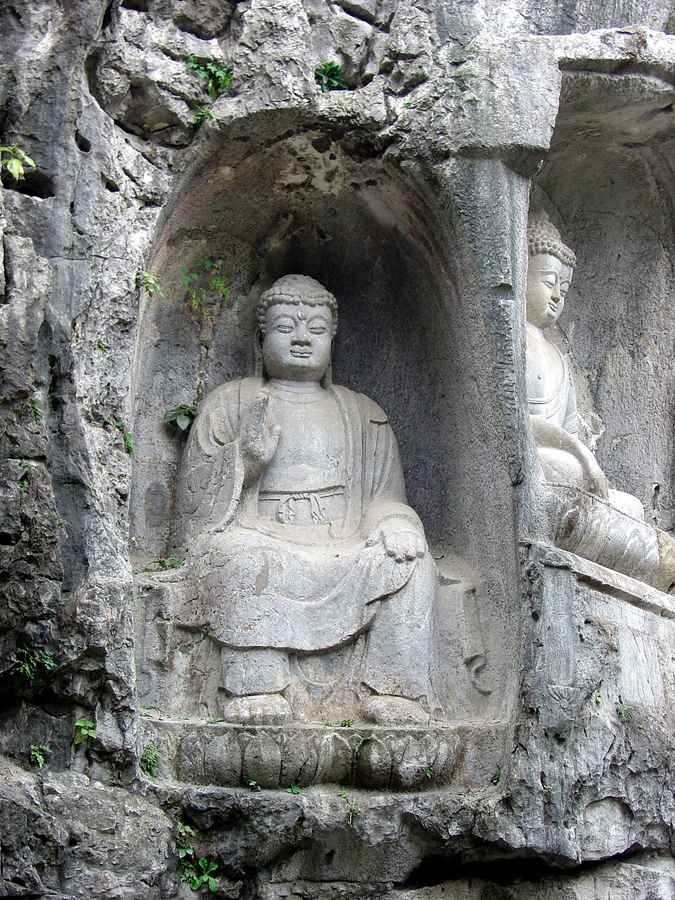
Photo credits

Choose Hangzhou dates after checking the holiday calendar
Weather is only one filter. Before booking, check China’s official holiday notice for the year of travel, especially if your dates touch Spring Festival, the May Day break or the National Day break. For more room in the plan, I’d compare ordinary working days before settling on a public-holiday stay.
Keep the date decision tied to something concrete: a confirmed tea session, a current flower report, or a lake-and-city visit that can adapt to the weather. If Hangzhou is part of a longer journey, compare the conditions at the other stops before choosing dates for the whole trip.
Once the dates are fixed, let the forecast determine the order of outdoor and indoor time. Take an extra layer when the day and evening outlook differ, and give rain a practical alternative. A useful Hangzhou date is one that supports the visit you want to make, even when the postcard scene changes.
Written by Alex Chen, founder and editor of China Culture Way.
Photo credits
Photo: JesseW900 / Wikimedia Commons / CC BY-SA 4.0. Cropped, resized and compressed. Derivative under CC BY-SA 4.0.

Explore the Hangzhou city guide →