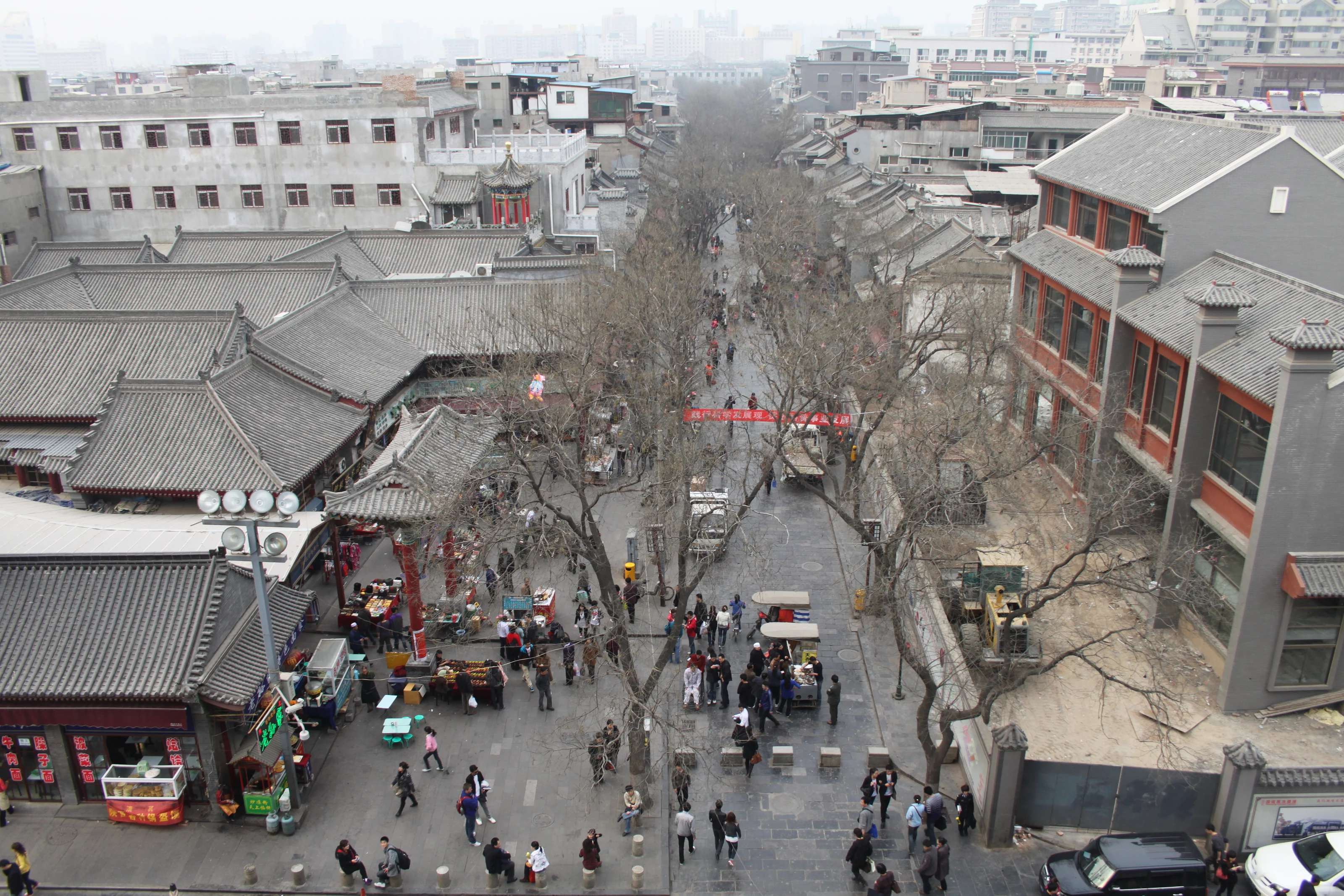
Xi’an’s Muslim Quarter is a district of food streets and lanes associated with the city’s Hui community, a Chinese ethnic group with a strong Muslim tradition. Start at the Drum Tower, walk north along Beiyuanmen, and choose a meal before filling up on snacks. The Great Mosque on Huajue Lane adds an architectural stop to the food walk.
I’d set aside time for one sit-down meal or a few smaller purchases, adding the mosque if its courtyards are open to visitors. That leaves room to choose food beyond the first counter. The sections below cover where to begin, how the main dishes differ, and what to ask before ordering.
Start at the Drum Tower and walk beyond Beiyuanmen
The Drum Tower stands at the southern end of Beiyuanmen, the main street used to approach the quarter. Use its map pin as the starting point for the walk. Once there, the northward walk along Beiyuanmen is a straightforward starting point; the surrounding lanes make up a broader neighborhood.
For a first visit, I would leave roughly two hours for browsing and eating, then allow extra time for the mosque. This is a planning allowance, not a measured circuit. A seated meal, a line at a counter, or a longer look inside the courtyards can change the pace.
Beiyuanmen is a useful first pass; continue into nearby food lanes such as Xiyangshi or Dapiyuan if there is room in the day, keeping the Drum Tower pin as a reference for the return. Save the side lane’s name on your map before turning into it, giving yourself a written reference for the way back.
Choose the time around the stop that matters most. Restaurants serving dinner don’t tell you whether the mosque is admitting visitors. Check the mosque before planning a dinner-only outing if it’s a priority. Individual shops also set their own hours; there isn’t a single opening time that guarantees every counter will be serving.
Keep the Xi’an travel guide handy when deciding where the quarter belongs in your day. If the day also includes walking or cycling on Xi’an City Wall, decide which meal belongs here before adding a long wall visit. I’d arrive with an appetite and choose a few foods that appeal.
What to eat in the Muslim Quarter: paomo, roujiamo and sweets
The first decision is whether to sit down for a bowl or keep moving with smaller purchases. I’d pick the soup for a seated meal and the filled bread for eating along the way. Ordering both at the start leaves less appetite for the rest of the walk.
| Food to look for | What it is | How I would fit it into the walk |
|---|---|---|
| Yangrou paomo (羊肉泡馍) | Pieces of bread in mutton soup; beef versions of paomo also exist | Choose it as the seated meal, then assess whether a snack is still appealing |
| Roujiamo (肉夹馍) | A bread filled with meat; beef-filled versions are found in the quarter | Use it as a smaller savory purchase and confirm the filling |
| Liangpi (凉皮) | A cold noodle dish | Consider a bowl when cold noodles appeal; ask about the dressing and toppings |
| Soup dumplings | Filled dumplings containing broth | Ask about the meat and the number in an order before sharing a portion |
| Zenggao (甑糕) | A steamed rice cake | Leave it for a sweet purchase after the savory food |
Paomo is the bread-and-soup choice. The bread belongs in the bowl. Ask whether the restaurant supplies the finished dish or expects the diner to break the bread first. If bread arrives before the soup, have the staff show how that house wants it prepared before you begin. Ask for the meat by name: mutton or beef.
Roujiamo is easier to fit into a walk because the meat is held inside the bread. Check the filling at the counter. In this quarter, a beef-filled version is a useful option to look for, but the counter’s answer should settle what goes into the particular one being sold.
For two people, I would choose one main dish to begin with, check the serving size, and add another purchase after eating it. Sharing is a choice to confirm with the restaurant, especially for a seated bowl. I’d leave a second stop for a different format, such as a steamed rice cake after soup.
Visiting the Great Mosque on Huajue Lane
The Great Mosque is on Huajue Lane, northwest of the Drum Tower. Save a separate map pin for it: walking along Beiyuanmen doesn’t by itself identify the mosque entrance. The name “Great Mosque” is more useful for this stop than a general pin for the food district.
Its architecture combines a Chinese courtyard and hall arrangement with an Islamic religious purpose. Look at how the halls, rooflines and courtyards organize the space, rather than expecting a dome to identify it. The site has been maintained and altered over successive dynasties, so its early foundation should not be read as the construction date of every structure standing today.
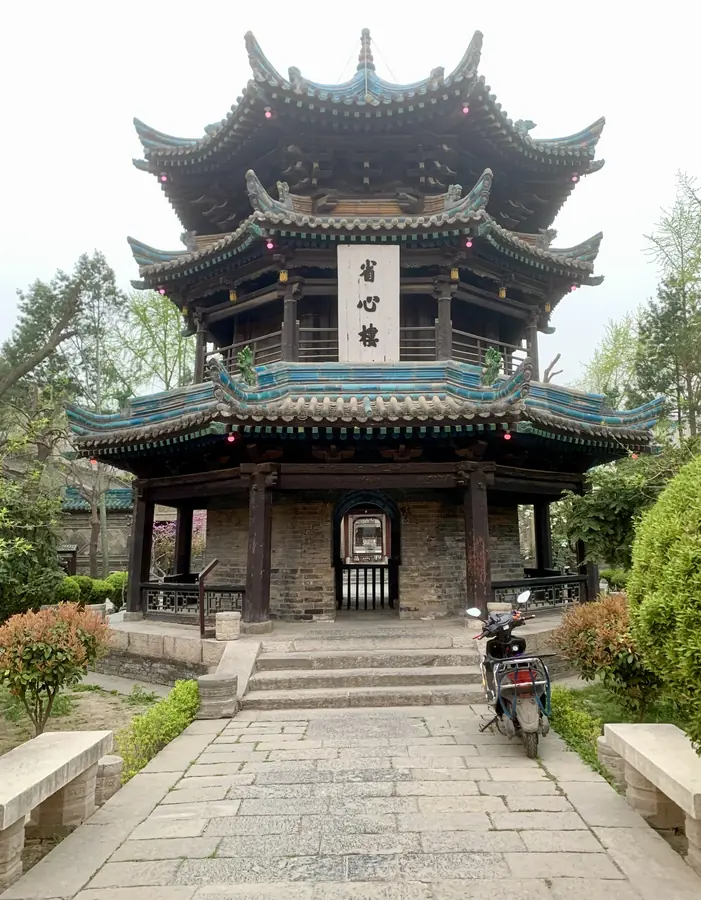
Treat arrival as a check on access before beginning the visit. Ask which courtyards are open, whether there is an admission charge, and whether religious activity limits the route that day. I have not verified a current operator schedule or ticket tariff for this guide. A late meal in the quarter therefore cannot be assumed to include a mosque visit.
Follow the posted dress and photography instructions, and ask before photographing people or entering an area used for worship. An open courtyard isn’t permission to enter every hall. If access is restricted when you arrive, return to the food walk; I’d come back at a confirmed visiting time rather than squeeze the mosque into dinner on an unverified promise.
Ordering in the Muslim Quarter: meat, portions and halal needs
Back on the food streets, settle the filling and the amount before paying. At a roujiamo counter, the useful question is “What meat is inside?” At a paomo restaurant, ask “Is this mutton or beef, and is this one bowl?” For dumplings, ask how many come in an order. Check that the quoted price is for the portion wanted.
For food cut from a larger tray, point to the amount wanted and ask whether the price is for that piece or by weight. Check the total in Chinese yuan, shown as CNY or RMB, before the portion is cut or packed. An old menu price won’t tell you the total for the food being sold now.
If halal requirements govern the meal, ask the individual business about its food and preparation. The quarter’s Muslim identity and the absence of pork in a particular dish don’t answer every question about ingredients or handling.
A decorative Arabic inscription doesn’t settle that either. Choose a business that can explain its practice to the standard you need; if the answer remains unclear, move on before ordering.
Vegetarian choices need the same attention to ingredients. Cold noodles may look suitable while the dressing or toppings remain unknown. Show a written explanation of the foods you avoid, and ask about both the main ingredient and the sauce.
For a serious food allergy, I wouldn’t treat a translated card as permission to try an uncertain stall. The U.S. Centers for Disease Control and Prevention advises travelers with food allergies to avoid street food because ingredients can be hard to verify. Give restaurant staff a translated allergy card, and skip food when the answer remains unclear.
Finish the food already ordered before choosing the next counter. If a second stop still appeals, choose a different format or a sweet rather than repeating the first meal. Ask permission before taking a close photograph of a vendor or resident, and step aside from the counter while deciding so that the next customer can order.
Explore the Xi’an city guide →