Visiting China during Chinese New Year can work well if the celebrations are part of the reason you’re coming and you can keep the route flexible. For a first trip built around several cities and a list of must-see museums, I’d choose dates outside the main holiday if possible. The trade-off is festive streets and events against harder transport bookings, changing business hours and busy sights.
Separate New Year’s Day from the holiday break
Chinese New Year, also called Spring Festival, falls on February 6 in 2027; New Year’s Eve is February 5. The State Council’s published mainland holiday break runs from February 5 through February 13, a total of nine days. The calendar date of the festival and the days people have off are different pieces of the plan.
The longer travel rush is another piece. Chunyun (春运) means the Spring Festival travel period, when people make journeys around the holiday. For comparison, the government’s 2026 report placed that year’s travel rush from February 2 to March 13, well beyond its public holiday. Those are historical dates, not a 2027 timetable.
I’d compare the official 2027 holiday calendar with the actual dates of each journey. Moving a flight just beyond the public holiday doesn’t by itself establish that the route will be quiet. The Chinese festivals collection is the site’s starting point for other festival topics.
Plan the intercity journeys before adding more stops
The travel rush makes a loosely planned, multi-city trip less forgiving. Australia’s Smartraveller guidance warns of congestion and delays around Lunar New Year, and accommodation that can cost more and be harder to find. A train seat or hotel room that suits the route matters more than an assumed nationwide price increase.
For this period, my preference would be a longer stay in a city rather than frequent hotel changes. A base with several possible outings gives the itinerary somewhere to bend if a museum closes or the preferred departure isn’t available. A smaller route also leaves fewer journeys that all have to work.
Train tickets need their own sale-date check. An itinerary written months ahead isn’t a confirmed seat, and an advance booking request isn’t the same as an issued ticket. The China train booking guide explains the official booking channels, passport checks, sales window and how to check a paid order.
I wouldn’t link a train arrival to an overseas flight with little time between them. My preference is to be in the departure city before the flight day, with a margin that fits the cost of missing the plane. That is a choice about the itinerary, not a promise that any particular train will be delayed.
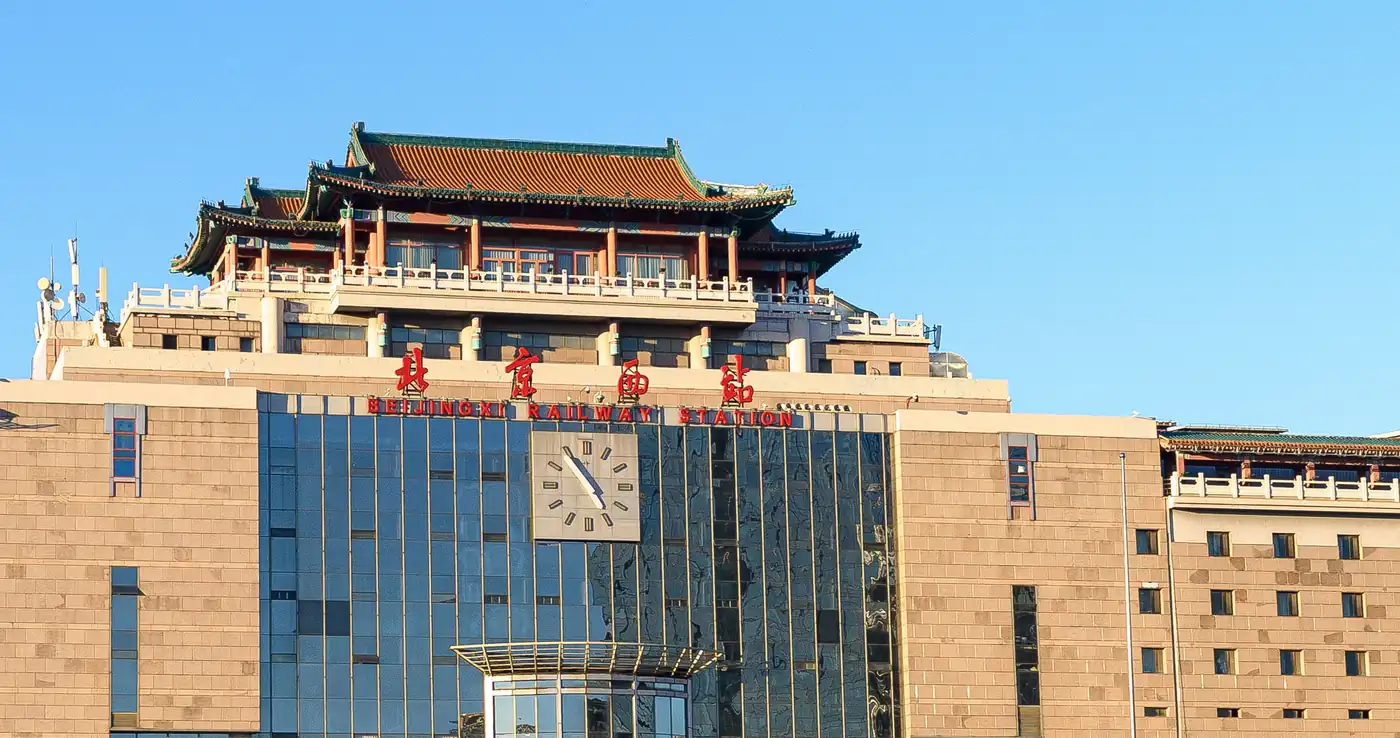
Photo credits
北京西站 means Beijing West Railway Station.
Photo: N509FZ / Wikimedia Commons / CC BY-SA 4.0. Cropped, resized and compressed; adaptation under CC BY-SA 4.0.
Check each attraction’s Spring Festival notice
A workable route still needs a check of each sight. “China is closed” and “all the big sights stay open” are both too broad to plan around. Smartraveller notes that sights, shops and places to eat may close; the useful question is what your chosen place will do on your chosen day.
The Palace Museum in Beijing shows why last year’s notice can’t become this year’s rule. Its official 2026 announcement closed the museum all day on February 16, New Year’s Eve, and listed opening on the surrounding holiday dates. That establishes what happened in 2026, not the museum’s 2027 schedule.
For a museum day, I’d want its current holiday opening notice and a valid reservation before treating the visit as settled. Normal weekly closing days, the admission calendar and a special holiday notice need to be read together. Our Forbidden City reservation guide covers that attraction’s booking requirements; a holiday opening announcement remains a separate check.
Arrange the New Year’s Eve meal before arrival
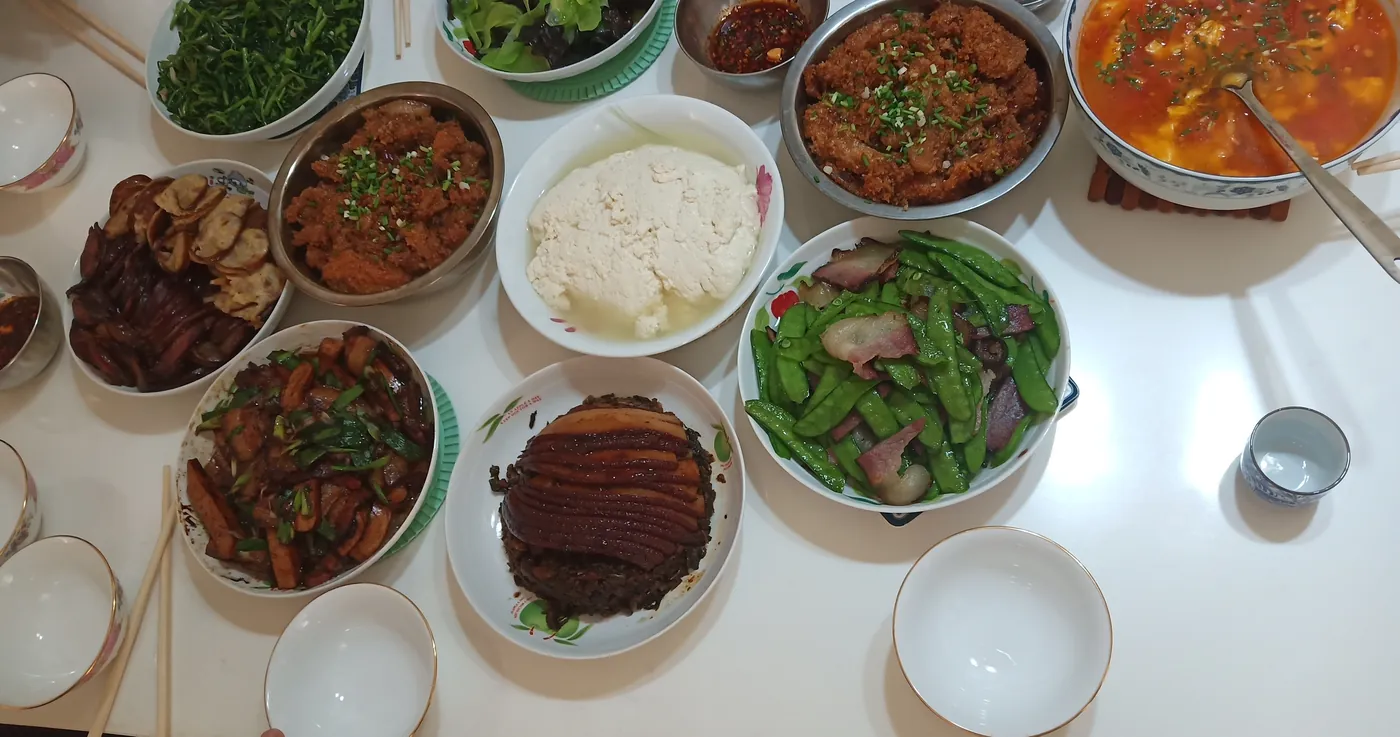
Museum hours are only part of the plan. For the evening of the family reunion, I’d ask the hotel which nearby restaurants expect to serve dinner, whether booking is needed and whether the available menu suits the group. Having an answer before arrival is easier than depending on a particular small restaurant being open.
There is no reason to assume every dining option disappears. Shanghai’s municipal commerce authority, for example, promoted restaurant reunion menus during Spring Festival in 2026. That historical program is evidence of holiday dining activity, not a guarantee for a specific restaurant next year.
I would compare the actual room and meal prices for the travel dates, including cancellation terms, rather than budget from a claimed national percentage surcharge. A preferred restaurant can stay optional when another meal is already practical.

Choose a festival event, then check its own dates
With transport, a bed and meals accounted for, an event can give the trip a reason to fall during the holiday. A temple fair or lantern display is a concrete target to look for in the destination’s current program. The event’s address, dates, admission arrangements and evening transport matter more than an old photograph promising the same scene again.
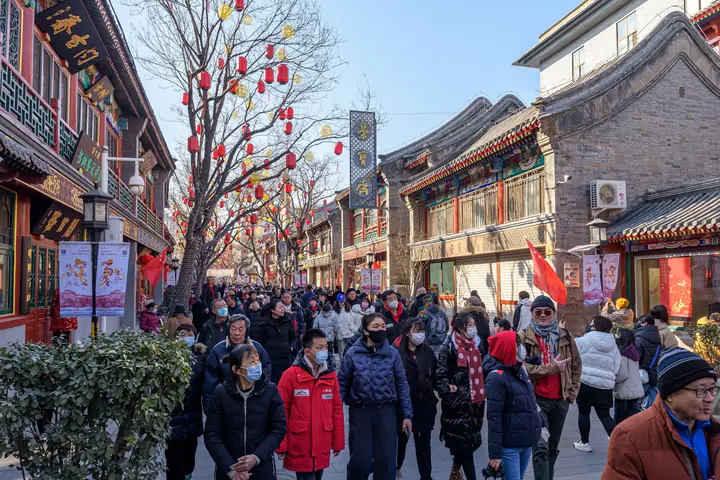
Photo credits

I like the idea of giving a festival outing room in the day, rather than squeezing it between a museum closing time and an intercity departure. Crowds are part of the planning: Smartraveller notes that Lunar New Year celebrations can attract large gatherings. An unhurried alternative nearby is useful if the event doesn’t suit the group on arrival.
Fireworks need a separate check. Shanghai’s police notice for the 2026 holiday banned them within the Outer Ring Road. Rules depend on the place and year, so I wouldn’t choose accommodation expecting a midnight display or assume visitors may set off their own.
Leave room for the winter city around the festival
Spring Festival is a calendar celebration, not a promise of spring weather. The weather forecast for the actual destination belongs beside the event plan, especially for an evening spent outdoors. An indoor option can be a welcome change when the conditions make a long walk less appealing.
I would also have the accommodation address and confirmed journey details saved where they can be read without a live connection. The China SIM and eSIM guide explains phone compatibility and local-number questions before choosing a plan. That preparation is useful when checking an updated notice or contacting a hotel.
For me, the deciding question is whether the holiday itself is worth the extra planning. If it is, a smaller route with confirmed essentials leaves space to enjoy it. For a route packed with sights, the city collections on China Culture Way provide other starting points for a trip with more flexible dates.
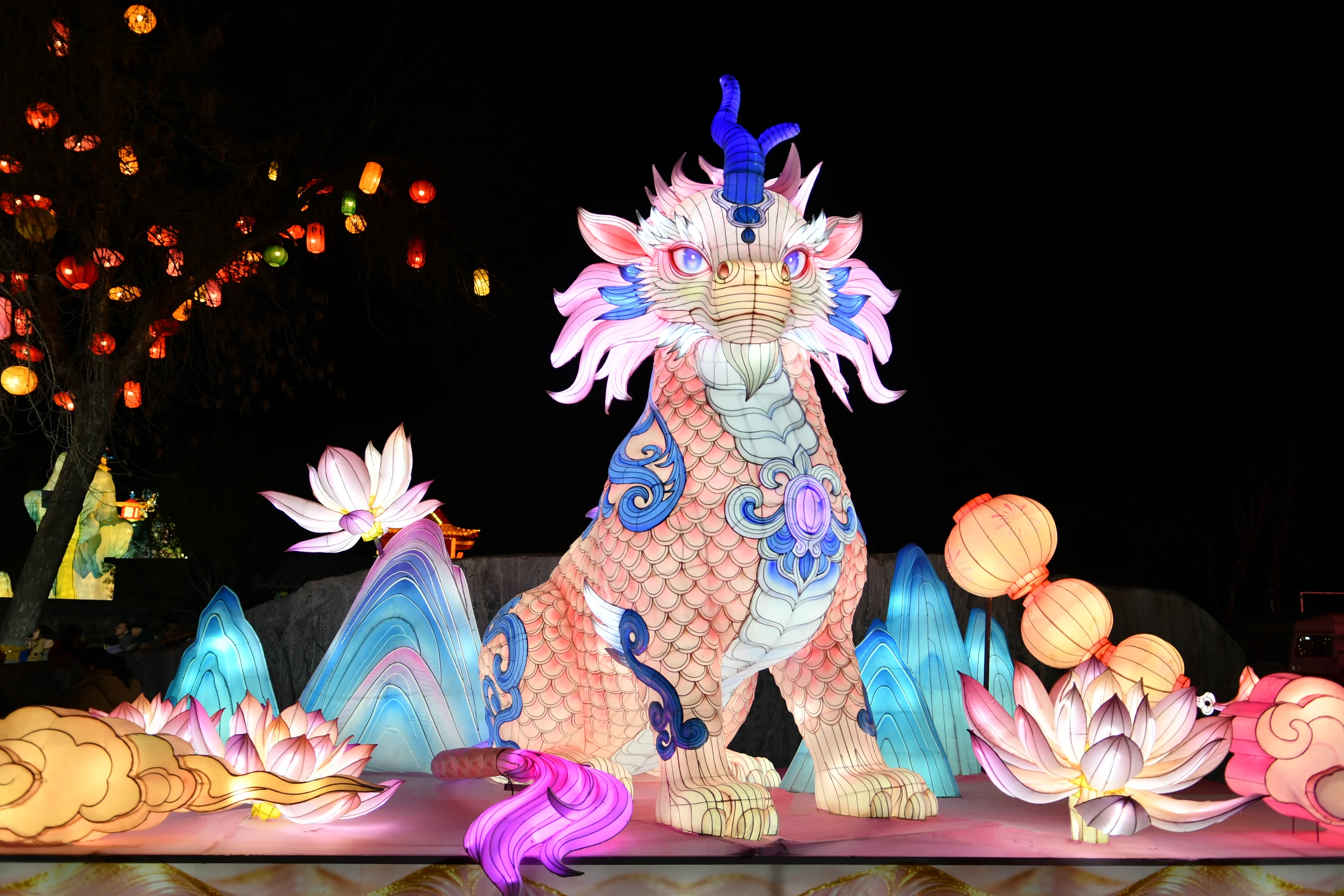
Featured image explanation: Yuanmingyuan Spring Festival Lantern Fair in Beijing, photographed in 2026; a past display, not a future event announcement.
Photo credits
Photo: 颐园居 / Wikimedia Commons / CC BY-SA 4.0. Cropped from 2784×1856 to 2784×1465 using [0, 30, 2784, 1495], then resized to 1400×737 and encoded as WebP at quality 75 by the official image delivery tool. Derivative under CC BY-SA 4.0.
