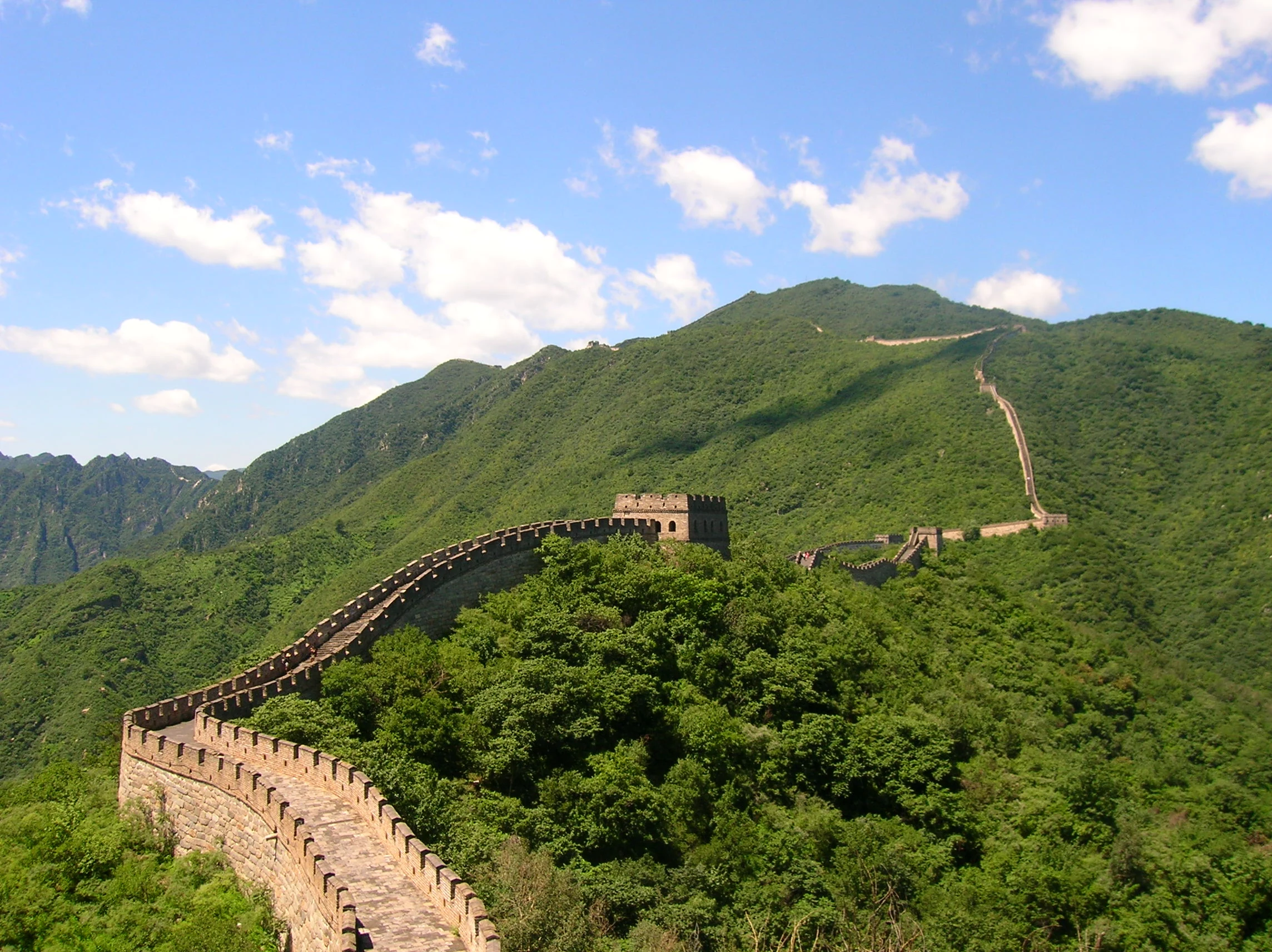
Between Badaling and Mutianyu, I’d choose Badaling when its rail connection fits the day’s travel plan, and Mutianyu when the watchtowers and a choice of visitor rides are the main attraction. Both are Great Wall outings beyond central Beijing. The useful comparison is how you’ll reach the section, what you want to see there, and how you’ll get back after walking.
I wouldn’t choose from a promise of an empty wall or an effortless climb. A section’s name doesn’t settle those questions for a particular date or walking route. Here is how I’d narrow the choice before committing to transport.
Badaling or Mutianyu: Match the Section to Your Priority
Badaling and Mutianyu reward different starting points for planning. A train journey can put Badaling on your shortlist, while an interest in tower architecture gives Mutianyu a concrete reason to be there.
| Your priority | Section to examine first | What still needs checking |
|---|---|---|
| An outing built around rail travel | Badaling | The station, current departures and the journey from your accommodation |
| Looking closely at watchtowers and battlements | Mutianyu | The wall route you want to walk and its connection to your descent |
| A cable-car or slide experience alongside the wall | Mutianyu | The exact ride, operating conditions and ticket inclusions |
| Keeping the day within a fixed return deadline | Whichever has a workable complete journey | Return transport and the time needed to reach its meeting point |
The last row matters more than a general popularity ranking. A return departure you can actually use is a stronger reason to choose a section than an attractive outward journey with the rest left undecided. Keep the excursion separate from a tightly booked city day. For the rest of your stay, the Beijing destination guide can help you group palace, temple and neighbourhood visits.
Badaling: Check the Rail Plan Before Choosing
Badaling is in Beijing’s Yanqing District, and the suburban railway serves it. That gives a traveler who wants to use rail a specific option to investigate. It doesn’t establish that Badaling will be the quickest trip from every hotel.
Beijing’s transport commission lists Badaling as a stop on the S2 suburban line. Its published route now starts at Nankou on the Beijing side, following the closure of Huangtudian station for this service. An older plan that begins at Huangtudian needs updating before you rely on it.
I’d compare the whole journey from the accommodation, including how to reach the departure station and how to return after the wall visit. A line on a railway map answers where the train goes; the current departures answer whether it fits your day. Keep the train name and station name together when checking a booking or map, rather than treating every reference to a “Badaling train” as the same service.
Once that journey works, choose the amount of wall walking separately. The rail connection is a reason to consider Badaling, rather than evidence that the walk itself suits everyone in the group.
Mutianyu Wall and Watchtowers
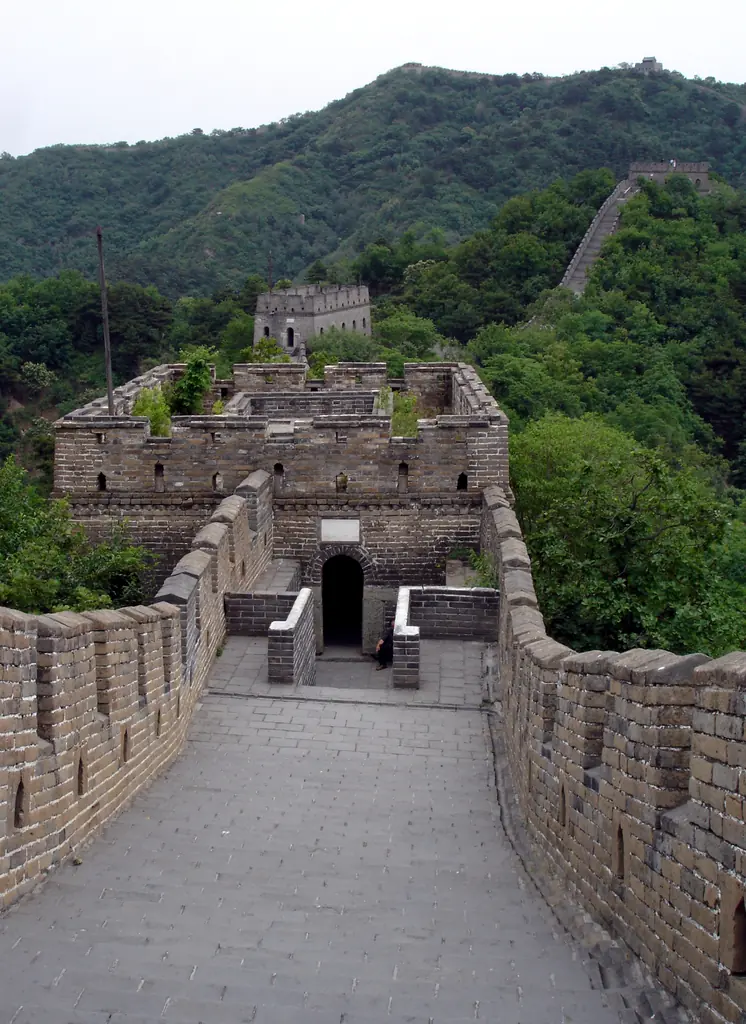
Mutianyu offers a more specific architectural reason for the choice. Beijing’s official attraction description highlights closely spaced watchtowers and double-sided battlements, the raised protective edges along the wall. For someone who wants to pause over the structure as well as the view, those features give the walk a focus.
The photograph below shows the inside of a Mutianyu watchtower. Arched openings frame the hills, while the covered interior makes the tower a distinct space rather than simply a point on the ridge. The panoramic photograph bends the view around the room; it isn’t a map of the walking route.
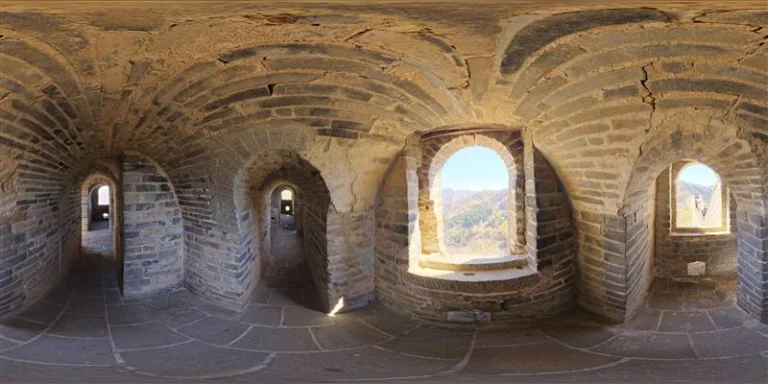
Photo credits
The photograph illustrates Mutianyu’s tower interior; it doesn’t provide a photographic comparison with Badaling.
Mutianyu’s visitor facilities include enclosed cable cars and an alpine slide, according to the city government’s description. If one of those rides is part of the appeal, make it an explicit part of the plan. Check what the selected ticket includes and which ascent and descent points it serves before deciding how far to walk.
For the journey from Beijing, use the separate Mutianyu transport guide. It covers the public-bus connection, direct coaches and car arrangements; the choice here is whether that outing matches what you want from the Wall.
Cable Cars Don’t Decide the Wall Walk
A ride at Mutianyu can be a reason to choose it, but reaching the wall and walking along it are different parts of the visit. I’d decide how much climbing the group wants before selecting a ride package. Start with the person who wants the shortest walk, then see whether the proposed route works for everyone.
Trace the intended walk from the arrival point to the way down. Walking onward to another tower also means deciding whether to continue toward a different exit or retrace the route. A photograph of a long ridge can make the outing look like a continuous stroll, while leaving that return choice out of the picture.
The same planning question belongs in a Badaling visit. Assess the proposed route and current visitor services against the group’s actual needs; the section name alone isn’t an accessibility assessment. If stairs or ride access will determine the trip, ask the scenic area about the particular route and facilities before purchasing.

Badaling and Mutianyu Tickets: Settle the Date First
With a section in mind, check its current admission channel for your date. For Badaling, use the scenic area’s current ticket instructions to confirm the real-name booking or on-site purchase process. Published city guidance and scenic-area reservation channels differ, so I wouldn’t promise arrival without a reservation.
For Mutianyu, compare admission with any shuttle or ride included in the selected product. The site’s official opening-hours page is also worth checking close to departure. A closing time and the last ticket sale or ride departure can affect different parts of the afternoon.
I’d make the final choice only when the wall visit and the return journey fit together. If Badaling’s rail plan works and that is the outing you want, keep it. If Mutianyu’s towers and facilities are the stronger draw, give its transport plan the space it needs. Spend the remaining planning time on the chosen section rather than trying to add both to the same day.
Photo credits
Photo: Velatrix / Wikimedia Commons / CC0 1.0. Cropped from the 2288×1712 original to 2288×1204 at x=0, y=254, resized to 1200×632 and saved as JPEG at quality 50. Original image and derivative dedicated under CC0 1.0.

Explore the Beijing city guide →